Portal Hypertension Treatment in Bangalore
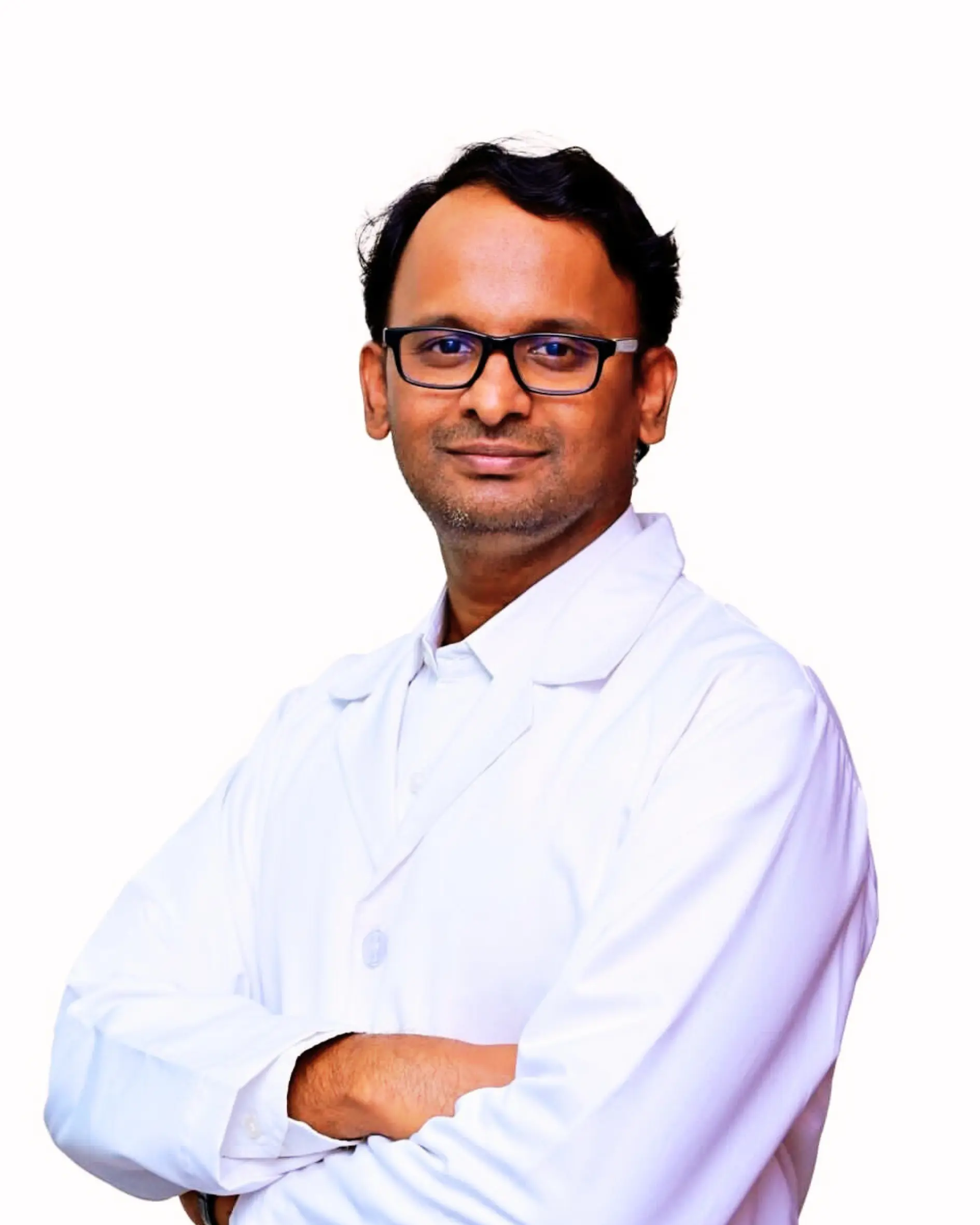
Expert diagnosis and management by Dr. Srinivas Bojanapu | Hepatologist & Liver Transplant Surgeon, Bangalore
Dr. Srinivas Bojanapu, Hepatologist and Liver Transplant Surgeon at Dhaara Liver Clinic, Bangalore, treats Portal Hypertension with 16+ years of specialist experience. With a team performing 60+ liver transplants per year, Dr. Bojanapu offers both medical and surgical management including robotic and laparoscopic techniques.
What is Portal Hypertension
Portal hypertension is a condition where the blood pressure in the portal vein — a large blood vessel that carries blood from the stomach, intestines, and spleen to the liver — becomes abnormally high. This increased pressure can lead to serious complications, especially if the liver is not working properly.
Think of the portal vein as a highway. When traffic (blood) gets backed up because of a blockage or damage, it causes problems. In the same way, when the liver is damaged, the blood flow through the portal vein can get stuck, leading to high pressure.
Dr. Srinivas Bojanapu, a leading Hepatologist and Liver Transplant Surgeon based in Bangalore, India, often sees patients with portal hypertension due to chronic liver diseases such as cirrhosis. Understanding this condition is the first step in managing it effectively.
Causes and Risk Factors
Portal hypertension is most commonly caused by liver damage, which can occur over many years. The most common cause is cirrhosis, a condition where the liver becomes scarred and stiff. Scarring blocks the normal flow of blood, leading to increased pressure in the portal vein.
Other causes of portal hypertension include:
- Liver infections such as hepatitis B or C
- Alcoholic liver disease from long-term heavy drinking
- Non-alcoholic fatty liver disease (NAFLD), which is becoming more common due to lifestyle changes
- Autoimmune liver diseases like autoimmune hepatitis
- Genetic disorders that affect the liver, such as Wilson’s disease
- Blockages in the blood vessels of the liver, such as portal vein thrombosis
Risk Factors
Certain factors increase the risk of developing portal hypertension:
- Heavy alcohol use over many years
- Obesity, which increases the risk of fatty liver disease
- Diabetes and high cholesterol
- Hepatitis B or C infection
- Family history of liver disease
- Long-term use of certain medications that can damage the liver
It’s important to note that portal hypertension can develop silently, without obvious symptoms at first. That’s why regular check-ups with a liver specialist, like Dr. Bojanapu, are crucial, especially for those with known liver conditions or risk factors.
Symptoms and Warning Signs
In the early stages, portal hypertension may not cause any symptoms. However, as the condition progresses, it can lead to several serious complications. Some of the most common symptoms and warning signs include:
- Enlarged spleen (splenomegaly): The spleen may become swollen due to increased pressure in the portal vein.
- Ascites: This is the accumulation of fluid in the abdomen, causing it to swell.
- Variceal bleeding: The high pressure in the portal vein can cause the veins in the esophagus or stomach to swell and become fragile. These varices can rupture and bleed, which is a life-threatening emergency.
- Jaundice: Yellowing of the skin and eyes due to the buildup of bilirubin, a waste product processed by the liver.
- Fatigue and weakness: These are common in people with liver disease and can be caused by the body not getting enough nutrients or the liver not working properly.
- Easy bruising or bleeding: Due to reduced production of clotting factors by the liver.
If you or a family member experiences any of these symptoms — especially vomiting blood, black or tarry stools, or sudden swelling in the abdomen — it is critical to seek medical attention immediately.
Dr. Bojanapu and his team at Bangalore are experienced in managing these complications and can provide prompt and effective care.
How is it Diagnosed
Diagnosing portal hypertension involves a combination of physical exams, blood tests, and imaging studies. Here’s what a doctor may do to check for portal hypertension:
Physical Examination
A doctor will look for signs like enlarged spleen, swelling in the legs, or fluid in the abdomen. These are often early signs of liver disease and portal hypertension.
Blood Tests
Blood tests help check for liver function, infections, and blood clotting problems. These tests can also detect anemia, low protein levels, and elevated bilirubin, all of which are associated with liver damage.
Imaging Tests
Imaging tests are used to look at the structure of the liver and the portal vein. These may include:
- Ultrasound: A painless test that uses sound waves to create images of the liver and blood vessels.
- CT scan: A detailed image of the liver and surrounding organs.
- MRI: Another imaging test that can show liver damage and blood flow.
- Endoscopy: A procedure where a thin, flexible tube with a camera is inserted into the esophagus and stomach to check for varices (swollen veins) that can bleed.
Liver Biopsy
In some cases, a liver biopsy may be performed. This involves taking a small sample of liver tissue to examine under a microscope for scarring or other signs of damage.
Dr. Srinivas Bojanapu, with his extensive experience in liver disease and transplant surgery, ensures that each patient receives a thorough and accurate diagnosis. Early detection is key to managing portal hypertension and preventing life-threatening complications.
Treatment Options
The goal of treating portal hypertension is to reduce the pressure in the portal vein, prevent complications, and manage the underlying liver disease. The treatment plan depends on the cause and severity of the condition.
Lifestyle Changes
- Limit alcohol consumption: If alcohol is a cause, stopping completely is essential.
- Maintain a healthy weight: For those with non-alcoholic fatty liver disease, losing weight can improve liver function.
- Eat a balanced diet: High-protein, low-salt diets can help manage ascites and prevent malnutrition.
Medications
Several medications are used to treat portal hypertension:
- Beta-blockers (e.g., propranolol, nadolol): These drugs help lower the pressure in the portal vein and reduce the risk of variceal bleeding.
- Diuretics (e.g., spironolactone, furosemide): These help reduce fluid buildup in the abdomen (ascites) and legs (edema).
- Antiviral medications: For patients with hepatitis B or C, these can slow or stop liver damage.
- Antibiotics: To prevent infections, especially in patients with cirrhosis or ascites.
Endoscopic Treatments
If varices are found during an endoscopy, endoscopic band ligation (EVL) or endoscopic sclerotherapy (ES) may be used to prevent or treat bleeding. These procedures involve placing rubber bands or injections around the varices to stop them from bleeding.
Transjugular Intrahepatic Portosystemic Shunt (TIPS)
In some cases, a TIPS procedure may be performed. This is a minimally invasive surgery where a shunt is created inside the liver to redirect blood flow around the blocked area and reduce portal pressure. TIPS is usually reserved for patients who have recurrent variceal bleeding or refractory ascites.
When is Liver Transplant Needed
In advanced liver disease, especially cirrhosis, portal hypertension can become severely life-threatening. At this stage, a liver transplant may be the only option for long-term survival.
Indications for Liver Transplant
A liver transplant may be considered if:
- There is severe liver failure with ascites, encephalopathy (confusion), or variceal bleeding that is difficult to control.
- The liver is no longer able to perform its basic functions, such as detoxifying the blood, producing proteins, or managing blood clotting.
- The patient has end-stage liver disease (ESLD), which is a stage where the liver is beyond repair and cannot be treated with other methods.
Liver Transplant in Bangalore
Dr. Srinivas Bojanapu is one of the leading liver transplant surgeons in Bangalore, India, and has performed numerous successful liver transplants for patients with portal hypertension and cirrhosis. He works with a multidisciplinary team of hepatologists, surgeons, and transplant coordinators to ensure the best possible outcomes for patients.
Post-Transplant Care
After a liver transplant, patients require long-term follow-up care, including:
- Immunosuppressant medications to prevent rejection of the new liver
- Regular blood tests to monitor liver function
- Lifestyle changes to reduce the risk of liver disease recurrence
- Psychological and emotional support, as recovery can be a long and challenging process
In conclusion, portal hypertension is a serious condition that can lead to life-threatening complications if not managed properly. However, with early diagnosis, effective treatment, and, in some cases, liver transplantation, many patients can live long and healthy lives.
Dr. Srinivas Bojanapu and his team at Bangalore are dedicated to providing compassionate, expert care for patients with portal hypertension and other liver diseases. If you or a loved one is experiencing symptoms of portal hypertension, do not hesitate to seek help from a liver specialist. Early intervention can make all the difference.
Why Choose Dr. Srinivas Bojanapu?
Book a Consultation with Dr. Srinivas Bojanapu
Hepatologist & Liver Transplant Surgeon, Bangalore
MBBS, MS, FACRSI, DrNB, PDF (RGUHS) · 16+ years · 60+ transplants/year
Dhaara Liver Clinic, Yelahanka · Kauvery Hospital EC & Marathahalli · Kuppam · Hospet · Shimoga
Dhaara Liver Clinic, Yelahanka · Kauvery Hospital EC & Marathahalli · Kuppam · Hospet · Shimoga
Frequently Asked Questions
Can fatty liver be reversed?
Yes, fatty liver can often be reversed through lifestyle changes such as weight loss, a healthy diet, and regular exercise. Avoiding alcohol and managing conditions like diabetes can also help improve liver function.
Is portal hypertension fatal?
Portal hypertension itself is not always fatal, but it can lead to serious complications if left untreated. Proper medical management can significantly reduce the risk of life-threatening conditions like variceal bleeding or liver failure.
Can I live a normal life with portal hypertension?
Many people with portal hypertension can live normal lives with proper treatment and lifestyle adjustments. Managing the condition through medication, diet, and regular check-ups is essential to prevent complications.
Does portal hypertension cause weight loss?
Weight loss is not a common symptom of portal hypertension. However, in advanced cases, complications such as malnutrition or liver failure may lead to unintended weight loss.
Is portal hypertension hereditary?
Portal hypertension is not typically hereditary, but certain conditions that can lead to it, such as cirrhosis or hemochromatosis, may have a genetic component. Family history can play a role in some cases.