Deceased Donor Liver Transplant
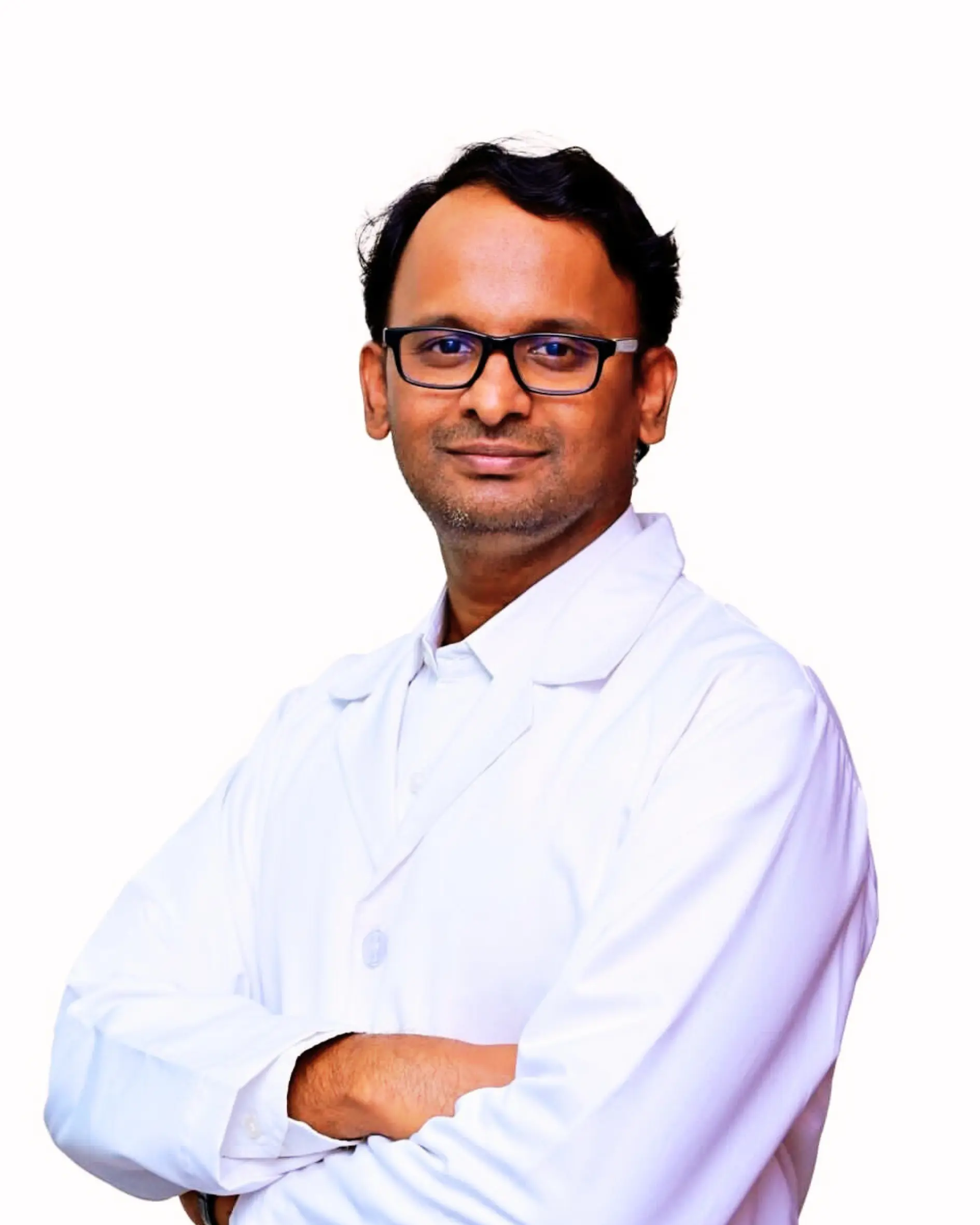
Performed by Dr. Srinivas Bojanapu | Hepatologist & Liver Transplant Surgeon, Bangalore
Dr. Srinivas Bojanapu, Hepatologist and Liver Transplant Surgeon at Dhaara Liver Clinic, Bangalore, performs Deceased Donor Liver Transplant (DDLT / Cadaveric Liver Transplant) with 16+ years of specialist experience. His team performs 60+ liver transplants per year, with outcomes benchmarked against international standards.
What is Deceased Donor Liver Transplant (DDLT / Cadaveric Liver Transplant)
When the liver is severely damaged and can no longer perform its vital functions, a liver transplant may be the only option to save a patient’s life. A Deceased Donor Liver Transplant (DDLT) is a life-saving procedure where a healthy liver from a person who has passed away is transplanted into a patient whose liver is failing.
Also known as a cadaveric liver transplant, this procedure relies on the generosity of donors who have chosen to donate their organs after death. These donors are usually individuals who have suffered from brain death but whose other organs, including the liver, are still healthy and can be used to help others.
At Dhaara Liver Clinic in Yelahanka, Bangalore, we are committed to providing the highest standard of care in liver transplants. Our team, led by Dr. Srinivas Bojanapu, a renowned Liver Transplant Surgeon, has performed over 60 liver transplants per year. This extensive experience ensures that patients receive the best possible care, from the moment they are referred for evaluation to the post-transplant follow-up.
Who Needs This
A deceased donor liver transplant is typically recommended for patients who are experiencing end-stage liver disease or acute liver failure, and who do not have a living donor available. These conditions can arise from a variety of causes, including:
- Cirrhosis due to chronic hepatitis B or C, alcohol abuse, or non-alcoholic fatty liver disease (NAFLD)
- Primary biliary cholangitis or primary sclerosing cholangitis
- Autoimmune hepatitis
- Hemochromatosis or Wilson’s disease
- Liver cancer (in some cases)
- Acute liver failure from drug overdose or other causes
Patients with these conditions may experience symptoms such as jaundice, fatigue, abdominal swelling, easy bruising, and confusion. If left untreated, these conditions can be life-threatening.
A deceased donor liver transplant is often the best option for those who:
- Are on the transplant waiting list and have not found a suitable living donor
- Are in urgent need of a transplant and cannot wait for a living donor
- Are not eligible for a living donor transplant due to medical or familial reasons
What Happens Before the Procedure
Before a deceased donor liver transplant can take place, a series of steps must be followed to ensure the patient is in the best possible condition for the surgery.
Evaluation and Consultation
The first step is a comprehensive evaluation at Dhaara Liver Clinic. This includes:
- A detailed medical history and physical examination
- Blood tests to assess the patient’s overall health and compatibility with potential donors
- Imaging tests such as ultrasound, CT scans, or MRI to evaluate the liver and surrounding organs
- Psychological and social assessments to ensure the patient is emotionally and mentally prepared for the transplant
Being Listed for Transplant
Once the evaluation is complete, the patient is placed on the transplant waiting list. The wait time can vary depending on the patient’s medical condition, blood type, and the availability of a suitable donor.
During this time, the patient may need to receive medications to manage symptoms and liver support treatments, such as plasma exchange or dialysis, if necessary.
Donor Matching
When a potential donor is identified, the patient is contacted immediately. The donor’s blood type, body size, and tissue compatibility are matched with the patient to ensure the best possible outcome.
Pre-Transplant Preparations
If the patient is found to be a good match, they are admitted to the hospital and prepared for surgery. This includes:
- Pre-operative blood tests
- Heart and lung function tests
- Nursing and surgical team consultations
- Informed consent and discussion of the risks and benefits of the procedure
The Procedure Itself
The deceased donor liver transplant is a complex and delicate surgical procedure that typically takes between 6 to 12 hours, depending on the patient’s condition and the complexity of the surgery.
Surgical Process
The procedure involves two main parts:
- Removing the diseased liver from the recipient
- The patient is placed under general anesthesia
- The surgeon carefully removes the damaged liver, taking care not to damage surrounding organs or blood vessels
- Implanting the healthy liver from the donor
- The donor liver is then placed into the patient’s body
- The surgeon connects the blood vessels and bile ducts to ensure the new liver can function properly
- The incisions are closed, and the patient is moved to the intensive care unit (ICU)
Organ Retrieval and Transportation
The donor liver is retrieved from the donor by a specialized organ procurement team. Once the liver is removed, it is preserved in a special solution and transported to the hospital under strict temperature and time conditions. This ensures that the liver remains viable for the transplant.
Surgeon Expertise
At Dhaara Liver Clinic, Dr. Srinivas Bojanapu and his team have performed over 60 liver transplants per year, giving them the experience and skill to handle even the most complex cases. This high volume of transplants ensures that the team is well-prepared for every step of the procedure, from donor retrieval to post-transplant recovery.
Recovery and Aftercare
Recovery from a deceased donor liver transplant is a gradual process that requires close monitoring and follow-up care. The initial recovery period typically takes several weeks, but full recovery may take months or even years, depending on the patient’s overall health.
Hospital Stay
After the surgery, the patient is usually hospitalized for 7 to 14 days, during which time they are closely monitored in the ICU or transplant unit. During this time, the medical team:
- Monitors vital signs, liver function, and rejection markers
- Administers immunosuppressive drugs to prevent the body from rejecting the new liver
- Provides pain management and nutritional support
- Helps the patient begin to walk and eat as soon as possible
Rehabilitation and Follow-Up
Once the patient is discharged from the hospital, they are followed up closely by the transplant team. This includes:
- Regular blood tests to monitor liver function and medication levels
- Follow-up appointments at the clinic for check-ups and imaging tests
- Nutritional counseling to help the patient maintain a healthy diet
- Psychological support to help with the emotional and mental recovery process
Long-Term Care
The long-term success of a liver transplant depends on strict adherence to the prescribed medication regimen and lifestyle changes. Patients are typically on immunosuppressive drugs for the rest of their lives to prevent organ rejection.
At Dhaara Liver Clinic, we provide comprehensive long-term follow-up care, ensuring that our patients have the support and resources they need to live a full and healthy life after the transplant.
Risks and Outcomes
Like all major surgeries, a deceased donor liver transplant carries certain risks, but the benefits of the procedure often far outweigh these risks. The medical team at Dhaara Liver Clinic takes every possible step to minimize complications and ensure the best possible outcomes for our patients.
Possible Risks
Some of the common risks associated with deceased donor liver transplants include:
- Organ rejection – the body’s immune system may attack the new liver
- Infection – due to the use of immunosuppressive drugs
- Bleeding – during or after the surgery
- Blood clots – which can lead to serious complications
- Bile duct leakage – in some cases
- Liver failure – in rare instances
How Risks Are Managed
To reduce the risk of complications, the medical team at Dhaara Liver Clinic:
- Performs thorough pre-transplant evaluations
- Uses advanced surgical techniques
- Provides close post-transplant monitoring
- Prescribes carefully managed immunosuppressive therapy
- Offers support and education to help patients understand and manage their care
Outcomes and Survival Rates
The success rate of deceased donor liver transplants is generally high, with one-year survival rates exceeding 80% and five-year survival rates around 70%. These outcomes can vary based on the patient’s overall health, age, and the reason for liver failure.
At Dhaara Liver Clinic, we have a proven track record of successful transplants, and our patients often go on to live full and active lives after the procedure. Our team of experienced surgeons, hepatologists, and transplant coordinators is dedicated to ensuring the best possible outcomes for every patient.
Conclusion
A deceased donor liver transplant is a life-saving procedure that offers hope to patients with end-stage liver disease. At Dhaara Liver Clinic in Yelahanka, Bangalore, we understand the fear and uncertainty that comes with facing a transplant. That’s why we are committed to providing compassionate, expert care from the very first consultation to the long-term follow-up.
With over 60 liver transplants performed annually, Dr. Srinivas Bojanapu and his team have the experience, skill, and dedication to deliver the best possible results. Whether you or a loved one is considering a deceased donor liver transplant, we are here to support you every step of the way.
Why Choose Dr. Srinivas Bojanapu?
Book a Consultation with Dr. Srinivas Bojanapu
Hepatologist & Liver Transplant Surgeon, Bangalore
MBBS, MS, FACRSI, DrNB, PDF (RGUHS) · 16+ years · 60+ transplants/year
Dhaara Liver Clinic, Yelahanka · Kauvery Hospital EC & Marathahalli · Kuppam · Hospet · Shimoga
Dhaara Liver Clinic, Yelahanka · Kauvery Hospital EC & Marathahalli · Kuppam · Hospet · Shimoga
Frequently Asked Questions
How long does recovery take?
Recovery from a deceased donor liver transplant typically takes several weeks to a few months, depending on the patient's overall health and how well the body accepts the new liver.
Can a family member donate?
In most cases, a family member cannot donate a liver for a deceased donor transplant, as these transplants use organs from individuals who have passed away and whose families have consented to donation.
What are the risks of a deceased donor liver transplant?
Risks include rejection of the new liver, infection, bleeding, and complications from anesthesia. However, these risks are carefully managed by the transplant team throughout the process.
How long does a patient typically wait for a deceased donor liver?
The waiting time for a deceased donor liver transplant varies and depends on factors such as blood type, medical urgency, and the availability of suitable organs in the region.
Is there a chance the transplanted liver will fail?
While rare, there is a small chance the transplanted liver may not function properly or may be rejected by the body, but this is closely monitored and treated with immunosuppressive medications.