Liver Abscess
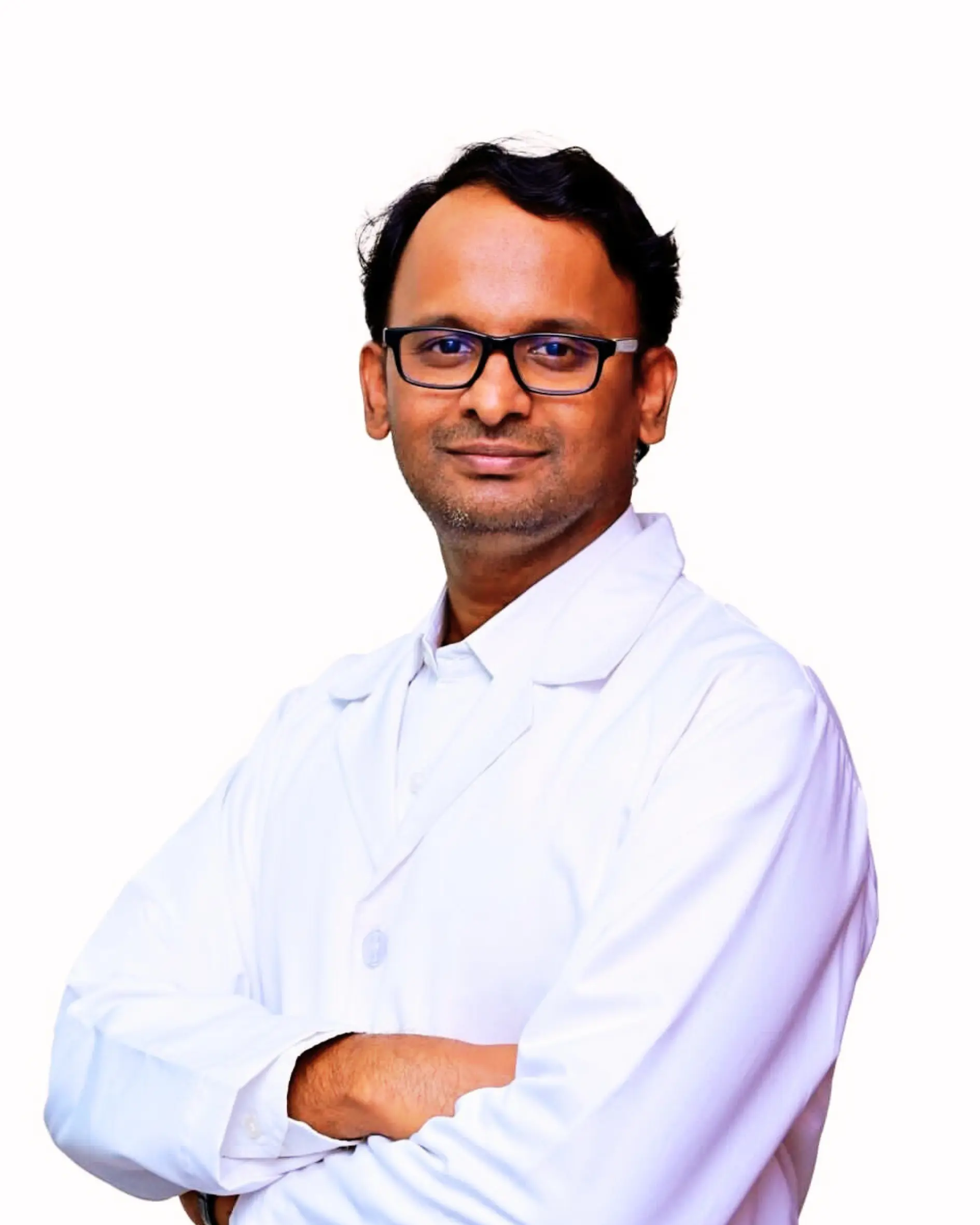
Expert diagnosis and treatment by Dr. Srinivas Bojanapu | Hepatologist & Liver Transplant Surgeon, Bangalore
Dr. Srinivas Bojanapu is a Hepatologist and Liver Transplant Surgeon in Bangalore who specialises in the diagnosis and management of liver abscess. A liver abscess is a serious infection that occurs when bacteria, fungi, or parasites collect in the liver, forming a pus-filled cavity. It can cause symptoms such as fever, abdominal pain, nausea, and weight loss. If left untreated, it can lead to severe complications. Early diagnosis and treatment, which may include antibiotics, drainage, or surgery, are crucial for recovery. Dr. Bojanapu provides expert care to patients with liver abscess, ensuring comprehensive and individualised management for optimal outcomes.
Understanding Liver Abscess
A liver abscess is a pus-filled infection within the liver, typically caused by bacteria, parasites, or other microorganisms. It often results from an infection that spreads from another part of the body, such as the abdomen or bloodstream, or from an infected bile duct. Common causes include bacterial infections like Escherichia coli or Klebsiella, and parasitic infections such as amoebiasis. People at higher risk include those with weakened immune systems, individuals with diabetes, those who have had recent abdominal surgery or gastrointestinal infections, and people who abuse alcohol. Liver abscesses can develop slowly or suddenly, depending on the cause. Symptoms may include fever, abdominal pain, nausea, and weight loss. If left untreated, the infection can spread, leading to severe complications such as sepsis or liver failure. Early diagnosis and treatment with antibiotics or drainage are essential to prevent life-threatening outcomes.
Signs and Symptoms
- Fever and chills are common systemic symptoms.
- Right upper quadrant abdominal pain is typical.
- Weight loss and fatigue may occur over time.
- Jaundice can develop in some cases.
- Enlarged liver detected on physical exam.
- Leukocytosis often seen in blood tests.
Treatment at Dr. Bojanapu Clinic
At Dr. Srinivas Bojanapu’s clinic in Bangalore, liver abscess treatment is tailored to the patient’s condition and severity. Initially, patients are prescribed broad-spectrum antibiotics to combat infection, often followed by targeted therapy based on culture results. Pain management and supportive care are also prioritized to ensure patient comfort. In cases where the abscess is large or unresponsive to medication, minimally invasive procedures such as percutaneous drainage or image-guided aspiration may be performed. Surgery is considered only when complications arise, such as rupture or failure of other treatments. The clinic ensures a multidisciplinary approach, involving radiologists and surgeons as needed.
Follow-up care is a critical part of the treatment process. Patients undergo regular imaging tests and blood work to monitor healing and adjust medication as necessary. Dr. Bojanapu emphasizes long-term monitoring to prevent recurrence and manage any underlying conditions that may have contributed to the abscess. His team provides detailed patient education on lifestyle modifications and signs of complications to watch for. This comprehensive approach ensures effective treatment and reduces the risk of future infections, offering patients peace of mind and a path to full recovery.
Book a Consultation with Dr. Srinivas Bojanapu
Hepatologist & Liver Transplant Surgeon, Bangalore
MBBS, MS, FACRSI, DrNB, PDF (RGUHS) · 16+ years · 60+ transplants/year
Dhaara Liver Clinic, Yelahanka · Kauvery Hospital EC & Marathahalli · Kuppam · Hospet · Shimoga
Causes and Risk Factors
Liver abscesses are often caused by bacterial or parasitic infections. Common risk factors include poor hygiene, diabetes, immunosuppressive conditions, and a history of abdominal infections.- Amoebic infection (common in India)
- Bacterial infections from the bloodstream
- Chronic liver disease
- Alcohol abuse
- Recent abdominal surgery or trauma
- Weakened immune system
How is it Diagnosed
Diagnosis typically involves imaging and lab tests. Common methods include:- Ultrasound of the abdomen
- Contrast-enhanced CT scan
- MRI for detailed imaging
- Blood cultures to identify infection
- Liver biopsy in complex cases
Treatment Options
Medical Treatment
Antibiotics are the first line of treatment, often combined with antiparasitic drugs like metronidazole for amoebic abscesses. Pain management and supportive care are also critical.Surgical Treatment
Surgery may be required for large abscesses or when medical treatment fails. Procedures include percutaneous drainage or open surgical drainage to remove pus and infected tissue.When is Liver Transplant Needed
A liver transplant is considered in severe, life-threatening cases. Indications include:- Irreversible liver failure due to abscess complications
- Recurrent abscesses unresponsive to treatment
- Severe bleeding from liver damage
- Advanced cirrhosis secondary to chronic infection
Why Choose Dr. Srinivas Bojanapu?
Frequently Asked Questions
What is a liver abscess?
A liver abscess is a collection of pus within the liver, usually caused by a bacterial or parasitic infection. It can lead to symptoms such as fever, abdominal pain, and nausea.
How is a liver abscess diagnosed?
Diagnosis typically involves imaging tests like ultrasound, CT scan, or MRI, along with blood tests to check for infection. In some cases, a needle biopsy may be performed to confirm the diagnosis.
What are the treatment options for a liver abscess?
Treatment usually includes antibiotics to fight the infection and drainage of the abscess, either through a catheter or surgery. The specific approach depends on the size and location of the abscess.
Can a liver abscess be prevented?
While some causes of liver abscess are unavoidable, maintaining good hygiene, treating infections promptly, and avoiding risky behaviors like intravenous drug use can reduce the risk. Vaccinations may also help prevent certain infections that can lead to abscesses.
About Dr. Srinivas Bojanapu: MBBS, MS, FACRSI, DrNB, PDF (Fellowship – RGUHS). Hepatologist & Liver Transplant Surgeon with 16+ years experience. Performing 60+ liver transplants per year. Consults at Dhaara Liver Clinic (Yelahanka), Kauvery Hospital (Electronic City & Marathahalli), and more.