Living Donor Liver Transplant in Bangalore
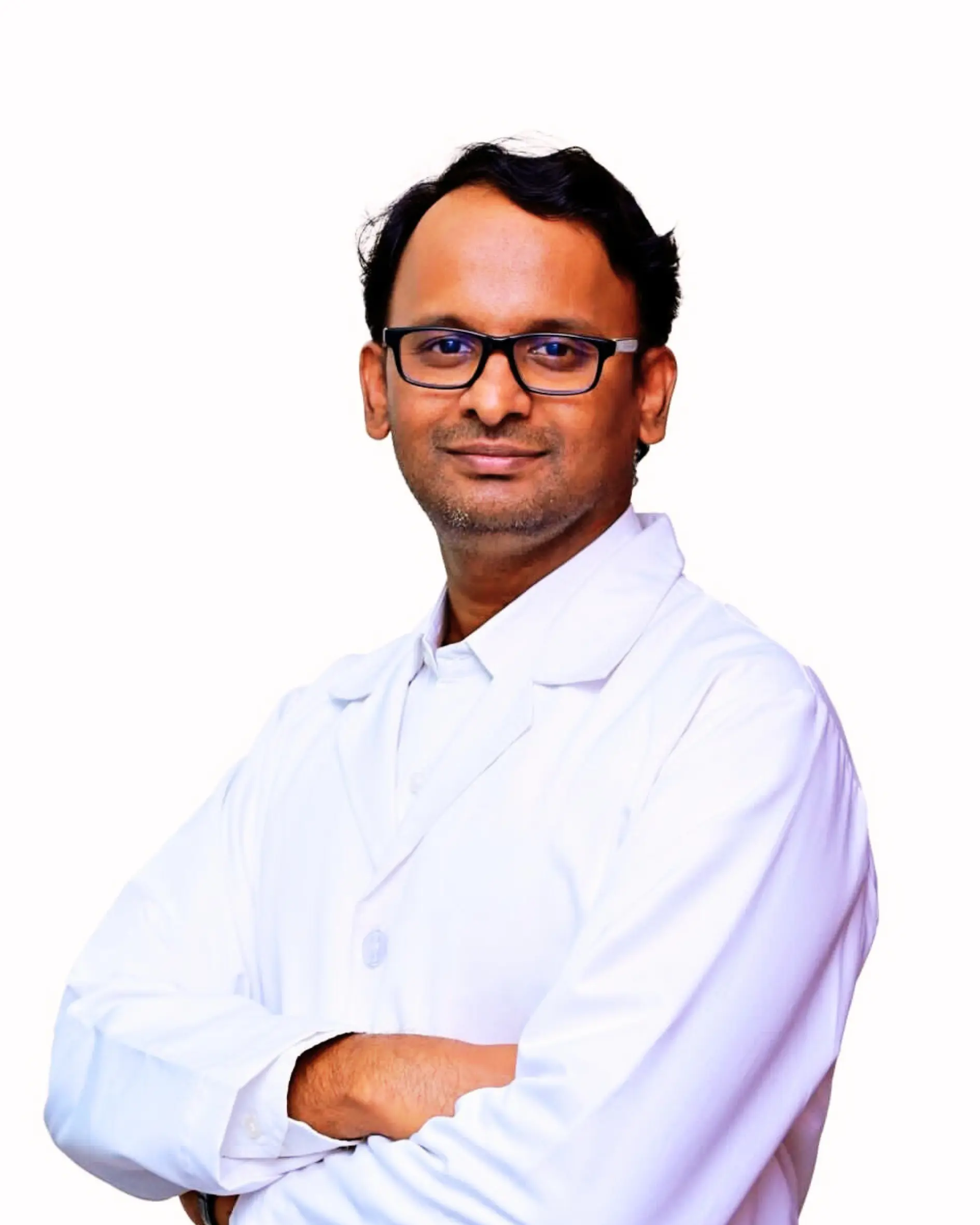
Performed by Dr. Srinivas Bojanapu | Hepatologist & Liver Transplant Surgeon, Bangalore
Dr. Srinivas Bojanapu, Hepatologist and Liver Transplant Surgeon at Dhaara Liver Clinic, Bangalore, performs Living Donor Liver Transplant (LDLT) with 16+ years of specialist experience. His team performs 60+ liver transplants per year, with outcomes benchmarked against international standards.
What is Living Donor Liver Transplant (LDLT)
A Living Donor Liver Transplant (LDLT) is a life-saving surgical procedure where a healthy person donates a portion of their liver to someone who needs a transplant. The liver is one of the few organs in the body that can regrow after a part is removed. This makes it possible for a living donor to give a portion of their liver, and both the donor and the recipient can live healthy lives after the surgery.
At Dr. Srinivas Bojanapu’s team at Dhaara Liver Clinic, Yelahanka, Bangalore, we have performed over 60 liver transplants each year, and we are committed to providing the highest quality of care for both patients and donors. Our team of experienced surgeons, nurses, and support staff is here to guide you through every step of the process with compassion and care.
Why LDLT is a Viable Option
- Shorter waiting time: Unlike deceased donor transplants, LDLT allows for a much faster procedure, often within weeks or months.
- Better outcomes: Studies show that LDLT can lead to better long-term survival and fewer complications in the right patients.
- Controlled timing: The surgery can be scheduled in advance, giving both the donor and recipient time to prepare physically and emotionally.
Who Needs This
LDLT is a viable treatment option for patients with end-stage liver disease, meaning their liver is no longer able to function properly. This can happen due to a variety of reasons, including:
- Chronic liver diseases such as cirrhosis (scarring of the liver), caused by long-term alcohol abuse, viral hepatitis (like hepatitis B or C), or non-alcoholic fatty liver disease.
- Acute liver failure, which can occur suddenly due to drug toxicity, infections, or other causes.
- Genetic liver disorders such as Wilson’s disease or hemochromatosis.
- Liver cancer, when the tumor is small and hasn’t spread beyond the liver.
Who Can Be a Donor
A living donor is usually a close relative or a friend of the recipient. The donor must be in good health, and their liver must be compatible with the recipient’s. Our team carefully evaluates potential donors to ensure the safety of both the donor and the recipient.
- The donor must be between 18 and 60 years old.
- They must have a healthy liver, with no history of liver disease or other serious health conditions.
- They must be willing to give and understand the risks involved.
What Happens Before the Procedure
Before the LDLT surgery, there is a comprehensive evaluation process for both the recipient and the donor. This is a crucial step to ensure the best possible outcome and to prepare everyone for the surgery.
Evaluation for the Recipient
- Medical history and physical examination: To assess the overall health and the extent of liver damage.
- Blood tests and imaging tests: These include blood tests, ultrasound, CT scans, and MRI to evaluate the liver and other organs.
- Psychological evaluation: To ensure the patient is mentally prepared for the transplant and the recovery process.
- Consultations with specialists: Including transplant surgeons, hepatologists, and nutritionists.
Evaluation for the Donor
- Medical history and physical examination: To ensure the donor is in good health.
- Blood tests and imaging tests: To check the size and health of the liver, and to ensure it is suitable for donation.
- Psychological evaluation: To assess the donor’s readiness and willingness to donate.
- Detailed discussions with the surgical team: To explain the risks and benefits of the surgery.
Matching the Donor and Recipient
Once both the donor and recipient have passed the evaluations, the liver is matched based on blood type and other compatibility factors. Our team at Dhaara Liver Clinic uses advanced technology and expertise to ensure the best possible match.
The Procedure Itself
The LDLT procedure is a complex but well-established surgery that is performed in specialized transplant centers like Dhaara Liver Clinic, Yelahanka, Bangalore.
Surgery for the Recipient
- The recipient is placed under general anesthesia and lies on the operating table.
- The surgeon removes the diseased liver through a laparotomy (a large incision in the abdomen).
- A portion of the donor’s liver is then transplanted into the recipient.
- The new liver is connected to the blood vessels and bile ducts so that it can function properly.
Surgery for the Donor
- The donor is also placed under general anesthesia and lies on the operating table.
- The surgeon removes a portion of the donor’s liver, usually the right lobe, which is suitable for most recipients.
- The remaining portion of the donor’s liver is allowed to regrow over the next few weeks, and the donor typically makes a full recovery.
The Surgical Team
At Dhaara Liver Clinic, our team of experienced liver transplant surgeons, anesthesiologists, and nurses work together to ensure the safety and success of every surgery. Our team has performed over 60 liver transplants each year, and we are proud to be one of the leading liver transplant centers in Bangalore.
Recovery and Aftercare
Recovery from a LDLT is a gradual process that requires careful monitoring and support from the medical team.
Recovery for the Recipient
- The recipient typically stays in the hospital for 7 to 14 days, depending on their overall health and how well the new liver is functioning.
- During this time, the medical team monitors the new liver with blood tests, imaging, and other assessments.
- The recipient may receive medications to prevent rejection of the new liver, including immunosuppressants.
- The new liver begins to function within a few days, and the recipient is gradually allowed to eat, walk, and perform light activities.
Recovery for the Donor
- The donor usually stays in the hospital for 5 to 7 days.
- They may experience some pain and discomfort, but this is managed with pain medications.
- The donor’s liver begins to regrow within a few weeks, and they can return to normal activities within a few months.
- It is important for the donor to follow a healthy lifestyle and attend follow-up appointments to ensure proper healing.
Aftercare for Both Recipient and Donor
- Regular follow-up appointments with the transplant team are essential for both the donor and recipient.
- Blood tests are performed regularly to monitor liver function and check for any signs of rejection.
- Lifestyle changes, such as a healthy diet, regular exercise, and avoiding alcohol, are encouraged to support long-term health.
- Support groups and counseling may be offered to help both the donor and recipient adjust to life after transplant.
Risks and Outcomes
Like any major surgery, LDLT carries some risks, but with the expertise of our team at Dhaara Liver Clinic, these risks are minimized and managed effectively.
Risks for the Recipient
- Rejection of the new liver: This can occur if the immune system attacks the new liver. This is managed with immunosuppressive drugs.
- Infection: Due to the weakened immune system from immunosuppressants.
- Bile duct complications: These can occur if the bile ducts are not properly connected during surgery.
- Blood clots or bleeding: These are rare but possible complications during or after surgery.
- Long-term side effects of medications: Immunosuppressants can increase the risk of diabetes, high blood pressure, and infections.
Risks for the Donor
- Bleeding or infection at the surgical site
- Pain and discomfort during recovery
- Risk of complications during liver regeneration
- Rare but serious risks, such as bile leakage or blood clots
Outcomes and Long-Term Survival
Despite the risks, LDLT is a highly successful procedure that can significantly improve the quality of life and extend the lifespan of patients with end-stage liver disease.
- Survival rates for LDLT are very high, with long-term survival rates exceeding 80% in the right patients.
- Quality of life often improves dramatically after a successful transplant, with fewer symptoms, better energy levels, and the ability to return to normal activities.
- Long-term success depends on strict adherence to medications and follow-up care, but with the support of our team, patients can live healthy and fulfilling lives.
Conclusion
At Dhaara Liver Clinic, Yelahanka, Bangalore, we are proud to be part of a team that has performed over 60 liver transplants each year, and we are dedicated to providing compassionate, expert care to every patient and donor.
If you or a loved one is considering a Living Donor Liver Transplant, we are here to support you every step of the way. Our team of experienced liver transplant surgeons, including Dr. Srinivas Bojanapu, is committed to ensuring the best possible outcomes for all our patients.
You are not alone. With our care, your courage, and the support of your loved ones, a new life is possible.
Why Choose Dr. Srinivas Bojanapu?
Book a Consultation with Dr. Srinivas Bojanapu
Hepatologist & Liver Transplant Surgeon, Bangalore
MBBS, MS, FACRSI, DrNB, PDF (RGUHS) · 16+ years · 60+ transplants/year
Dhaara Liver Clinic, Yelahanka · Kauvery Hospital EC & Marathahalli · Kuppam · Hospet · Shimoga
Dhaara Liver Clinic, Yelahanka · Kauvery Hospital EC & Marathahalli · Kuppam · Hospet · Shimoga
Frequently Asked Questions
How long does recovery take?
Recovery time varies, but most patients can expect to stay in the hospital for about 7 to 14 days after the transplant. Full recovery may take several months, during which patients should avoid strenuous activities and follow their doctor's recommendations closely.
Can a family member donate?
Yes, a family member can donate a portion of their liver if they are a compatible match. The donor must be in good health and pass medical and psychological evaluations to ensure they are suitable for donation.
What are the risks for the donor?
Donors face risks such as bleeding, infection, and complications from anesthesia. However, most donors recover fully within a few weeks and experience minimal long-term effects.
How long does the transplant surgery take?
The surgery typically takes between 6 to 12 hours, depending on the complexity of the case. Both the recipient and donor undergo separate procedures during this time.
Is living donor liver transplant as effective as deceased donor transplant?
Yes, living donor liver transplants are just as effective as deceased donor transplants in terms of long-term survival and liver function. In some cases, living donation may offer advantages such as shorter waiting times and better tissue matching.