TIPS Procedure (Transjugular Intrahepatic Portosystemic Shunt)
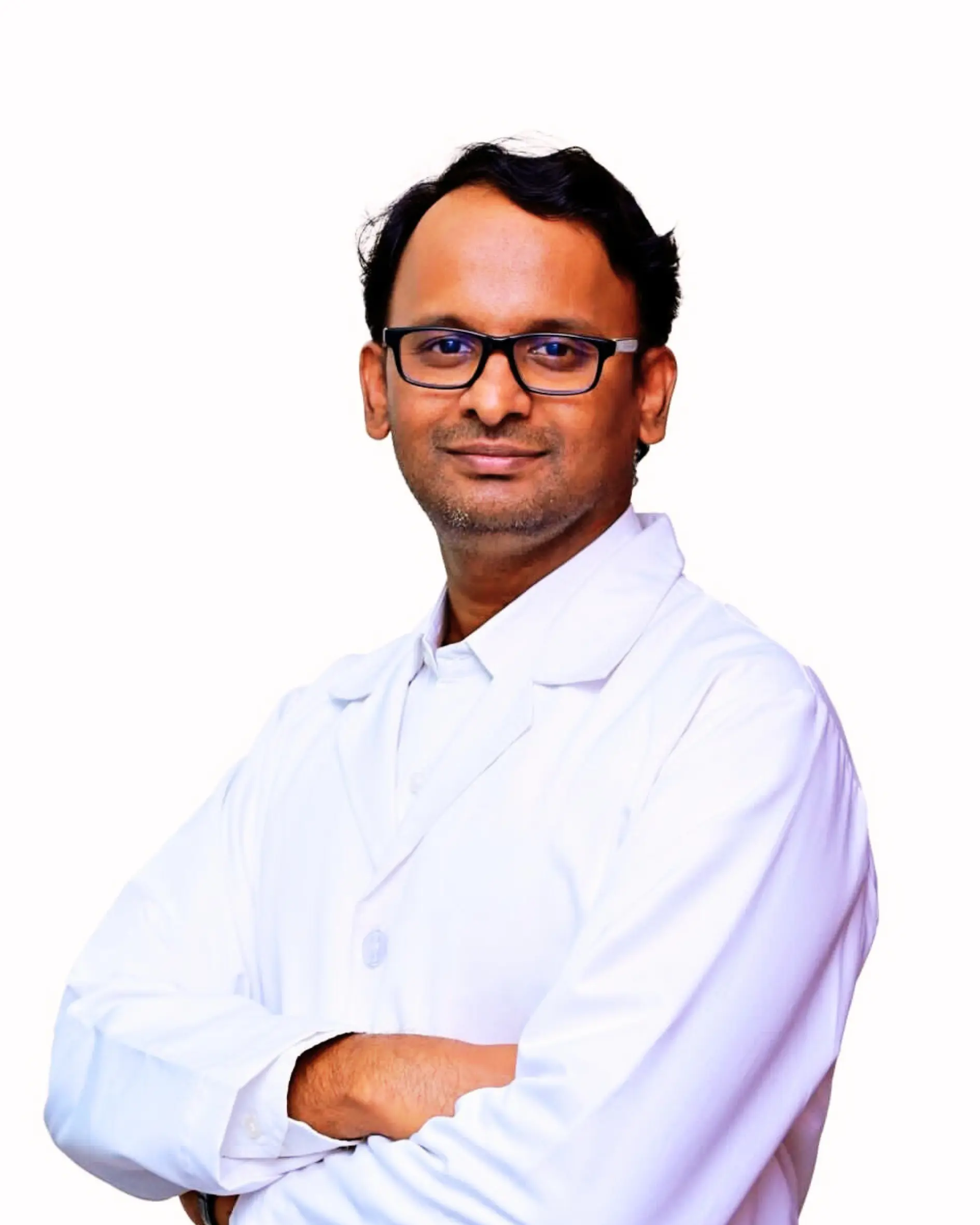
Performed by Dr. Srinivas Bojanapu | Hepatologist & Liver Transplant Surgeon, Bangalore
Dr. Srinivas Bojanapu is a Hepatologist and Liver Transplant Surgeon in Bangalore who performs tips procedure (transjugular intrahepatic portosystemic shunt). This minimally invasive procedure is used to treat complications of liver disease, such as variceal bleeding and ascites, by creating a connection between blood vessels in the liver. It helps reduce pressure in the portal vein and improve symptoms. Dr. Bojanapu has extensive experience in performing TIPS procedures, ensuring safe and effective care for patients with complex liver conditions.
About TIPS Procedure (Transjugular Intrahepatic Portosystemic Shunt)
The TIPS procedure is a minimally invasive treatment used to reduce portal hypertension in patients with liver disease. It involves creating a connection between the portal vein and a hepatic vein within the liver using a stent, which helps redirect blood flow and lower pressure in the portal system. This is typically performed under local anesthesia with sedation, using imaging guidance such as ultrasound or fluoroscopy. The procedure is usually considered when medical management fails to control complications like variceal bleeding, refractory ascites, or hepatic encephalopathy. Patients may experience some discomfort during the procedure, but it is generally well-tolerated. After the procedure, patients are monitored for potential complications such as hepatic encephalopathy or stent blockage. Recovery is usually quick, with most patients returning to normal activities within a few days.
Key Steps / What to Expect
- Access jugular vein with catheter
- Pass catheter through hepatic vein
- Create connection between portal and hepatic veins
- Insert stent to maintain shunt patency
- Confirm shunt function with imaging
Dr. Bojanapu Approach
Dr. Srinivas Bojanapu employs a meticulous and patient-centered approach to the TIPS procedure, focusing on precise catheter placement and optimal shunt creation. Using advanced imaging technology, such as real-time ultrasound and fluoroscopy, he ensures accurate visualization of the hepatic veins and portal system. His technique emphasizes minimal invasiveness, careful selection of the shunt location, and proper stent deployment to prevent complications like hepatic encephalopathy. Dr. Bojanapu integrates the latest interventional tools and navigational systems to enhance procedural success and reduce recovery time.
Outcomes under his care consistently show high rates of technical success and clinical improvement, particularly in managing refractory variceal bleeding and ascites. Patients benefit from reduced hospital stays and improved quality of life. Dr. Bojanapu’s commitment to continuous learning and innovation ensures that his TIPS procedures are among the safest and most effective in the field of interventional radiology.
Book a Consultation with Dr. Srinivas Bojanapu
Hepatologist & Liver Transplant Surgeon, Bangalore
MBBS, MS, FACRSI, DrNB, PDF (RGUHS) · 16+ years · 60+ transplants/year
Dhaara Liver Clinic, Yelahanka · Kauvery Hospital EC & Marathahalli · Kuppam · Hospet · Shimoga
Who Needs This Procedure
The TIPS (Transjugular Intrahepatic Portosystemic Shunt) procedure is typically recommended for patients with severe liver disease, such as cirrhosis, who have complications related to portal hypertension. This includes individuals experiencing recurrent variceal bleeding, refractory ascites (fluid buildup in the abdomen), or hepatorenal syndrome (kidney failure due to liver disease). It may also be considered for patients with portal vein thrombosis or those who have not responded to other treatments.
- Patients with recurrent or life-threatening variceal bleeding
- Individuals with ascites that does not improve with diuretics or paracentesis
- Those with hepatorenal syndrome and elevated ammonia levels
- Patients with portal vein thrombosis causing increased portal pressure
How the Procedure is Performed
The TIPS procedure is performed using image guidance, typically through the jugular vein in the neck. A catheter is inserted and guided to the liver, where a small channel is created between the hepatic vein and the portal vein. A stent is then placed to keep the channel open, allowing blood to bypass the liver and reduce portal pressure. The entire process usually takes 1–2 hours and is performed by an interventional radiologist.
During the procedure, contrast dye is used to visualize the blood vessels, and the patient is monitored closely for any complications. Local anesthesia and sedation are administered to ensure comfort. Once the stent is in place, the catheter is removed, and the incision site is closed.
Recovery After Surgery
After the TIPS procedure, patients typically stay in the hospital for 1–2 days for observation. Recovery involves managing pain, monitoring for complications, and gradually resuming normal activities. It is important to follow the healthcare team’s instructions regarding diet, medication,
Why Choose Dr. Srinivas Bojanapu?
Frequently Asked Questions
What is a TIPS procedure?
A TIPS procedure is a minimally invasive treatment used to relieve portal hypertension in patients with liver disease. It involves creating a connection between the portal vein and a hepatic vein to reduce pressure and prevent complications like variceal bleeding.
What are the risks of a TIPS procedure?
Potential risks include bleeding, infection, liver failure, and shunt dysfunction. These complications are relatively rare but should be discussed with your healthcare provider before the procedure.
How long does a TIPS procedure take?
The procedure typically takes between 1 to 2 hours, depending on the patient’s condition and the complexity of the case. Patients are usually under local anesthesia and light sedation during the procedure.
What should I expect after a TIPS procedure?
After the procedure, you may experience some discomfort at the puncture site and feel tired for a day or two. Most patients can return to normal activities within a few days, but you should follow your doctor’s instructions for recovery.
About Dr. Srinivas Bojanapu: MBBS, MS, FACRSI, DrNB, PDF (Fellowship – RGUHS). Hepatologist & Liver Transplant Surgeon with 16+ years experience. Available at Dhaara Liver Clinic (Yelahanka), Kauvery Hospital (Electronic City & Marathahalli), Kuppam, Hospet and Shimoga.