Liver Cirrhosis Treatment in Bangalore
Expert diagnosis and management by Dr. Srinivas Bojanapu | Hepatologist & Liver Transplant Surgeon, Bangalore
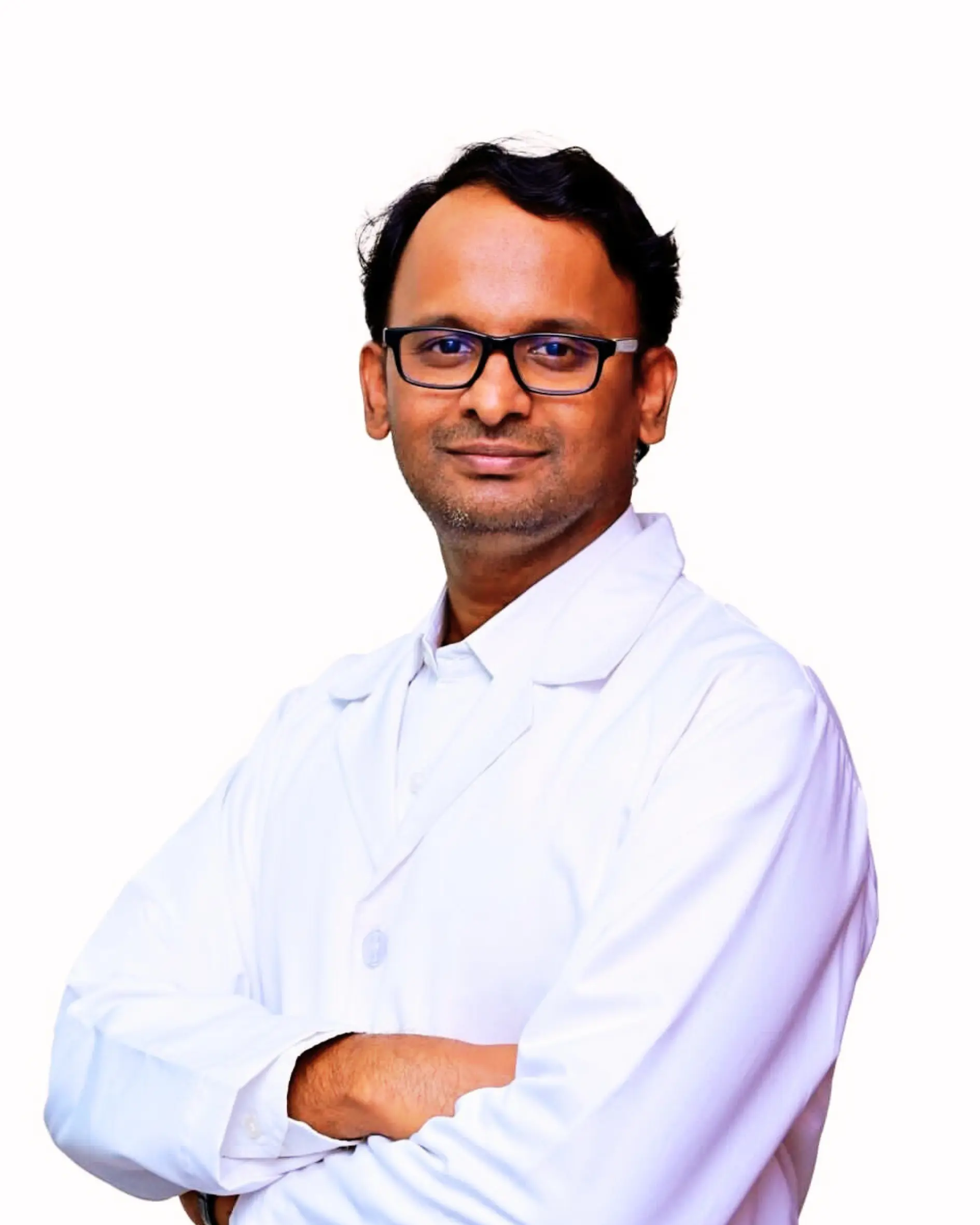
Dr. Srinivas Bojanapu, Hepatologist and Liver Transplant Surgeon at Dhaara Liver Clinic, Bangalore, treats Liver Cirrhosis with 16+ years of specialist experience. With a team performing 60+ liver transplants per year, Dr. Bojanapu offers both medical and surgical management including robotic and laparoscopic techniques.
What is Liver Cirrhosis
Liver cirrhosis is a serious condition where the liver becomes severely damaged and scarred over time. This scarring, known as cirrhosis, happens when the liver is repeatedly injured and tries to repair itself. Instead of forming new healthy tissue, the liver creates scar tissue, which blocks the flow of blood and prevents the liver from working properly.
In the early stages, the liver may be able to compensate for the damage, but as the scarring worsens, the liver can no longer perform its vital functions. These include filtering toxins from the blood, producing proteins, and storing energy. Cirrhosis is a chronic and progressive disease, meaning it gets worse over time if not properly managed.
Dr. Srinivas Bojanapu, a renowned Hepatologist and Liver Transplant Surgeon in Bangalore, India, often sees patients who have developed cirrhosis due to long-term liver damage. He emphasizes that early detection and treatment are crucial to slowing the progression of the disease and improving quality of life.
What Happens in the Liver
- The liver is a large organ that helps break down food, filters out harmful substances, and produces bile to help digest fats.
- When the liver is injured, it tries to heal by creating new tissue.
- Repeated injury leads to the buildup of scar tissue, which replaces healthy liver tissue.
- Over time, the liver becomes shrunken, hardened, and unable to function properly.
Causes and Risk Factors
Liver cirrhosis is not caused by a single event, but rather by long-term damage to the liver. The most common causes in India, including Bangalore, are:
- Chronic Alcohol Consumption: Long-term heavy drinking is one of the leading causes of cirrhosis.
- Chronic Viral Hepatitis (especially Hepatitis B and C): These infections can cause long-term inflammation and damage to the liver.
- Non-Alcoholic Fatty Liver Disease (NAFLD): This condition occurs when fat builds up in the liver, even in people who don’t drink alcohol.
- Autoimmune Diseases: Conditions like Autoimmune Hepatitis can cause the immune system to attack the liver.
- Genetic Disorders: Diseases like Hemochromatosis and Wilson’s Disease can cause cirrhosis by affecting how the body processes metals.
- Long-Term Use of Certain Medications: Some drugs can cause liver damage over time if not used properly.
- Recurrent Liver Infections or Inflammation: Chronic inflammation, whether from infections or other causes, can lead to cirrhosis.
Common Risk Factors
- Heavy Alcohol Use (more than 30g of alcohol per day for men, 20g for women)
- Obesity and Diabetes: These are major risk factors for NAFLD
- Family History of Liver Disease: Some liver conditions are hereditary
- Poor Diet and Lifestyle Choices
- Exposure to Toxins or Chemicals: Especially in certain occupations
Dr. Bojanapu often sees patients in Bangalore who have developed cirrhosis due to alcohol abuse, untreated viral hepatitis, and unhealthy lifestyles. He emphasizes the importance of early screening and lifestyle changes to prevent the disease from progressing.
Symptoms and Warning Signs
In the early stages of cirrhosis, many people may not have any symptoms. However, as the disease progresses, the symptoms can become more severe and include:
- Fatigue and Weakness: Feeling tired all the time, even after rest
- Weight Loss and Loss of Appetite: Unexplained weight loss and lack of interest in food
- Nausea and Vomiting: Feeling sick to the stomach and throwing up
- Swelling in the Legs and Belly: Fluid buildup in the legs (edema) and belly (ascites)
- Jaundice: Yellowing of the skin and eyes due to the buildup of bilirubin
- Itching (Pruritus): A common symptom due to the buildup of toxins in the blood
- Easy Bruising and Bleeding: The liver produces clotting factors, and damage can lead to poor blood clotting
- Confusion or Memory Problems: Known as hepatic encephalopathy, which happens when the liver can’t remove toxins from the blood
Other Signs to Watch For
- Dark Urine and Pale Stools: These can be signs of liver dysfunction
- Abdominal Pain and Discomfort: Especially in the upper right side of the abdomen
- Enlarged Liver or Spleen: These can be felt during a physical exam
- Spider-Like Blood Vessels on the Skin (Spider Angiomas): These are small, red blood vessels that look like spiders on the skin
- Redness on the Palms (Palmar Erythema): A sign of liver damage
If you or a loved one is experiencing any of these symptoms, it’s important to see a hepatologist like Dr. Srinivas Bojanapu in Bangalore, India, as early diagnosis and treatment can make a big difference.
How is it Diagnosed
Diagnosing liver cirrhosis usually involves a combination of medical history, physical exams, blood tests, imaging, and sometimes a liver biopsy.
Common Diagnostic Tests
- Blood Tests: These can show liver function, levels of bilirubin, and signs of infection or damage.
- Imaging Tests:
- Ultrasound: This is a common and non-invasive test that uses sound waves to create images of the liver.
- CT Scan or MRI: These provide more detailed images and can help detect scarring and other liver problems.
- Liver Biopsy: This is a more invasive test where a small sample of liver tissue is taken and examined under a microscope. It is not always necessary but can confirm the diagnosis and the severity of the damage.
- FibroScan: A newer, non-invasive test that measures liver stiffness and can indicate the presence of cirrhosis.
What to Expect During a Visit
Dr. Bojanapu and his team at Bangalore use state-of-the-art diagnostic tools and personalized care to ensure accurate and timely diagnosis. He often starts with a thorough medical history and physical exam, followed by blood tests and imaging. If needed, he may recommend a liver biopsy or specialized tests to determine the exact cause and severity of cirrhosis.
Treatment Options
The goal of treatment for liver cirrhosis is to slow the progression of the disease, manage symptoms, and treat the underlying cause. While liver cirrhosis is not reversible, early treatment can significantly improve outcomes and quality of life.
Managing the Cause
- Stop Alcohol Consumption: This is the most important step for those with alcohol-related cirrhosis.
- Treat Viral Hepatitis: Antiviral medications can help control hepatitis B and C and reduce liver damage.
- Manage NAFLD: Weight loss, a healthy diet, and regular exercise can help reduce fat in the liver.
- Treat Autoimmune Diseases: Medications like corticosteroids and immunosuppressants can reduce inflammation.
- Manage Complications: For example, diuretics may be used to treat fluid buildup, and lactulose may be used to treat hepatic encephalopathy.
Medications
- Diuretics: Help reduce fluid buildup in the legs and belly.
- Beta-Blockers: Help reduce the risk of variceal bleeding (bleeding from enlarged veins in the stomach).
- Lactulose: Helps treat confusion and brain function issues caused by liver failure.
- Vitamin Supplements: People with cirrhosis may need vitamin A, B12, and folate due to poor absorption.
Lifestyle Changes
- Healthy Diet: Eating a balanced diet rich in fruits, vegetables, and lean proteins.
- Avoid Alcohol and Toxins: These can worsen liver damage.
- Exercise Regularly: Helps manage weight and reduce the risk of NAFLD.
- Avoid Certain Medications: Some over-the-counter and prescription drugs can be harmful to the liver.
Regular Monitoring
Patients with cirrhosis should be monitored regularly by a hepatologist like Dr. Bojanapu to track the progression of the disease and manage complications early.
When is Liver Transplant Needed
In advanced stages of liver cirrhosis, when the liver is severely damaged and cannot function properly, a liver transplant may be the only treatment option.
Indications for Liver Transplant
- Severe Liver Failure: When the liver can no longer perform its basic functions.
- Complications from Cirrhosis: Such as hepatic encephalopathy, variceal bleeding, ascites, and liver cancer.
- Progressive Disease: When cirrhosis continues to worsen despite treatment.
- Life-Threatening Conditions: When other complications, such as hepatic coma or infections, are present.
How Liver Transplant Works
A liver transplant involves removing the damaged liver and replacing it with a healthy liver from a deceased or living donor. In Bangalore, India, Dr. Srinivas Bojanapu is a highly experienced liver transplant surgeon, and he performs both living donor liver transplants and deceased donor liver transplants.
What to Expect After a Liver Transplant
- Hospital Stay: Usually lasts several weeks.
- Medications: Immunosuppressants to prevent rejection of the new liver.
- Regular Follow-Up: Patients need lifelong monitoring with their transplant team.
- Lifestyle Changes: A healthy diet, avoiding alcohol, and regular exercise are essential for long-term success.
Who is Eligible?
Not everyone with cirrhosis is eligible for a liver transplant. Eligibility depends on overall health, severity of liver disease, and the presence of other medical conditions. Dr. Bojanapu and his team at Bangalore carefully evaluate each patient to determine whether a liver transplant is the right option.
—
Liver cirrhosis is a serious but manageable condition, especially with early detection and treatment. If you or a loved one is experiencing symptoms or has risk factors, it’s important to seek expert care from a hepatologist like Dr. Srinivas Bojanapu in Bangalore, India. With the right treatment and support, many patients can live longer and more comfortable lives.
Why Choose Dr. Srinivas Bojanapu?
Book a Consultation with Dr. Srinivas Bojanapu
Hepatologist & Liver Transplant Surgeon, Bangalore
MBBS, MS, FACRSI, DrNB, PDF (RGUHS) · 16+ years · 60+ transplants/year
Dhaara Liver Clinic, Yelahanka · Kauvery Hospital EC & Marathahalli · Kuppam · Hospet · Shimoga
Dhaara Liver Clinic, Yelahanka · Kauvery Hospital EC & Marathahalli · Kuppam · Hospet · Shimoga
Frequently Asked Questions
Can fatty liver be reversed?
Yes, fatty liver can often be reversed through lifestyle changes such as losing weight, eating a healthy diet, and exercising regularly. Avoiding alcohol and managing conditions like diabetes can also help improve liver health.
Is liver cirrhosis fatal?
Liver cirrhosis can be life-threatening if left untreated, as it can lead to liver failure, bleeding, or infections. However, with proper management, many people can live for many years with the condition.
Can I still drink alcohol if I have cirrhosis?
No, alcohol should be completely avoided if you have cirrhosis, as it can worsen liver damage and increase the risk of complications. Even small amounts of alcohol can be harmful in this stage of the disease.
What are the early signs of liver cirrhosis?
Early signs of liver cirrhosis may include fatigue, weight loss, nausea, and swelling in the legs or abdomen. However, many people do not experience symptoms until the disease is more advanced.
Can cirrhosis be cured?
Cirrhosis cannot be completely cured, but its progression can often be slowed or stopped with lifestyle changes, medical treatment, and in some cases, a liver transplant. Early detection and management are key to improving outcomes.