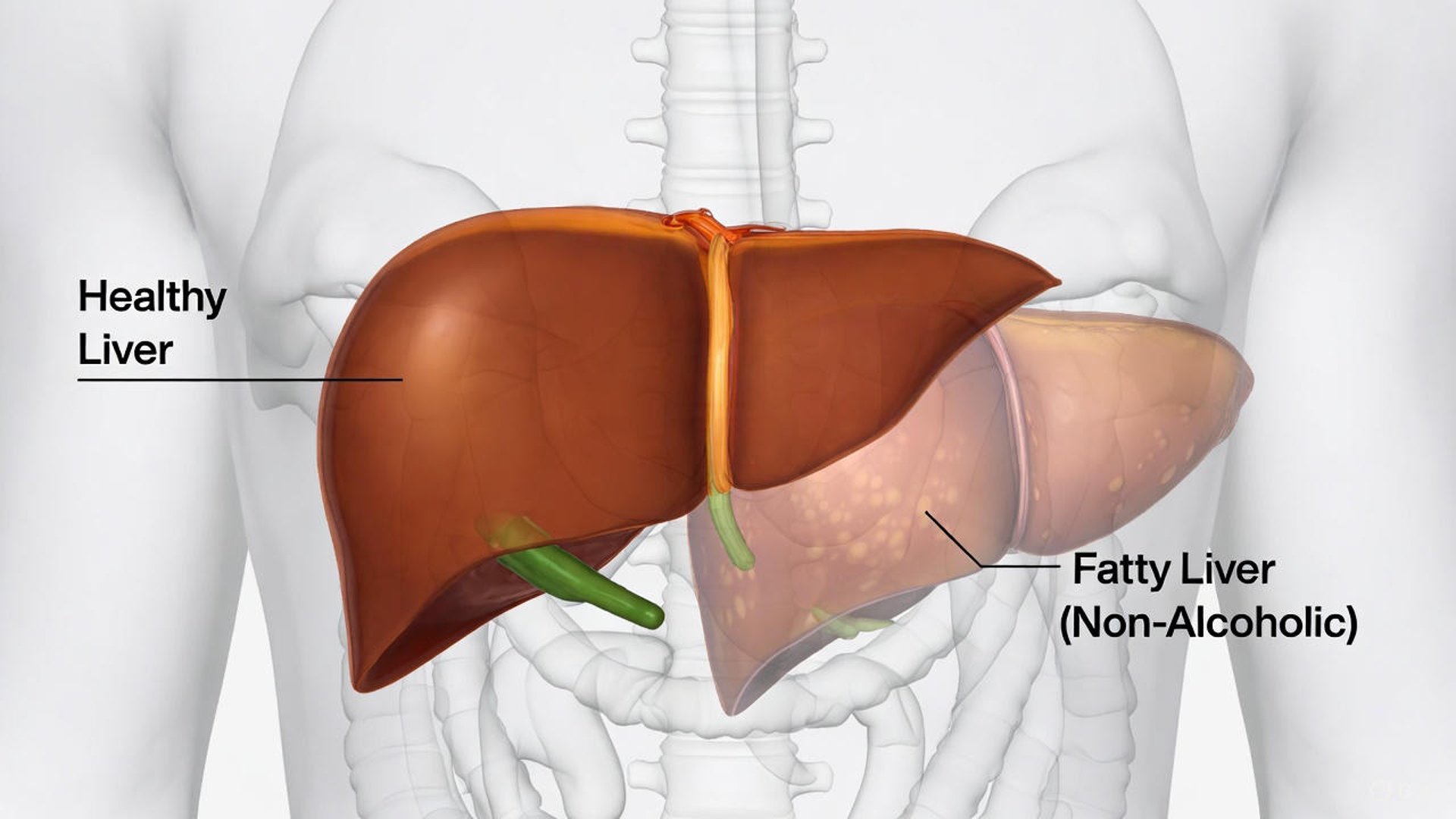
Fatty Liver in Non-Alcoholic People (NAFLD): A Simple Patient Guide
Fatty liver is no longer a “rare” problem. Today, more than 1 in 3 Indians have some degree of fatty liver — and many of them do not drink alcohol at all. This condition is known as Non-Alcoholic Fatty Liver Disease (NAFLD).
HEPATOLOGISTLIVER TRANSPLANT SURGEONGI ONCOSURGEON
12/4/20252 min read
It happens when fat starts accumulating in the liver due to metabolic and lifestyle reasons — not alcohol. If untreated, it can slowly progress to inflammation, fibrosis, cirrhosis, and even liver cancer in some people.
As a Liver Transplant & HPB Surgeon, I see this every day in clinic. The good news? Most patients can reverse fatty liver completely with early changes.
Non-alcoholic fatty liver (NAFLD) is now one of the most common liver problems in India. Learn causes, symptoms, risks, tests, and treatment options explained in simple language by Dr. Srinivas Bojanapu, Hepatologist & Liver Transplant Surgeon in Yelahanka & Electronic City, Bengaluru.
3. What Is NAFLD?
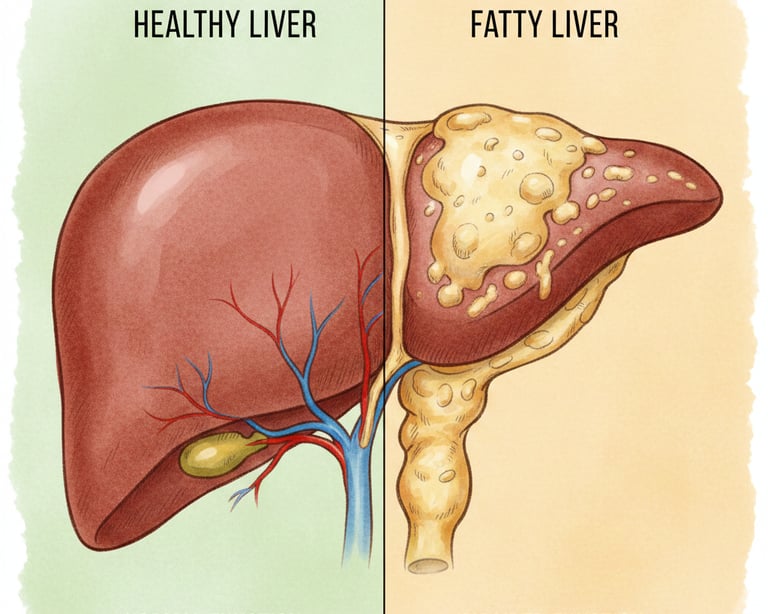
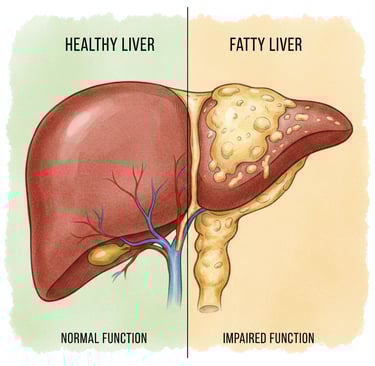
NAFLD means your liver contains more than 5% fat, even though you do not consume alcohol regularly.
There are two stages:
Simple Fatty Liver (NAFL):
Fat in the liver, no major damage yet.Fatty Liver with Inflammation (NASH):
Fat + liver cell injury → higher risk of fibrosis & cirrhosis.


Dr. Srinivas Bojanapu uses a systematic approach to interpret LFTs and identify whether the issue is related to fatty liver, bile ducts, viral hepatitis, or another cause.
Further Tests Your Doctor May Suggest
Not everyone needs more tests.
If needed, they may include:
Ultrasound abdomen — first-line screening
FibroScan — to check liver stiffness and fat
Viral hepatitis tests
Sugar and cholesterol tests
MRI/CT (only if required)
Endoscopic tests like MRCP/ERCP (for suspected bile duct problems)
Your doctor will decide which tests are truly necessary based on your condition.
When to Consult Hepatologist
Contact a specialist urgently if you notice:
Yellow eyes
Severe abdominal pain
Persistent vomiting
Drowsiness or confusion
Dark urine or pale stools
These may need immediate attention.
Important Note
LFT values should not be interpreted or treated at home.
Numbers alone cannot diagnose the condition, and starting or stopping medications without guidance can be unsafe.
A consultation with the best liver specialist in Yelahanka, Electronic city. ensures correct diagnosis and timely treatment.
For patients in Yelahanka and Electronic City, Dr. Srinivas Bojanapu provides comprehensive evaluation and guidance for abnormal LFTs.
Why LFTs Become Abnormal
Some common, everyday reasons include:
Fatty liver (very common in people with diabetes or high cholesterol)
Alcohol consumption
Viral infections
Reaction to medicines or herbal supplements
Gallbladder or bile duct issues
Abnormal values rarely explain the exact cause on their own.
A proper evaluation is always required.
What to Expect When You Visit a Liver Specialist
A liver doctor will look at:
Your symptoms
Your medical history
The pattern of LFT changes
Your ultrasound or other reports
For appointments📞 +91 87478 74666
© 2025. Dr. Srinivas Bojanapu. All rights reserved.
Consult Dr. Srinivas Bojanapu at two Loccations in Bengaluru
For appointments📞 +91 9690 72 9690, 📞 080-6801 6801